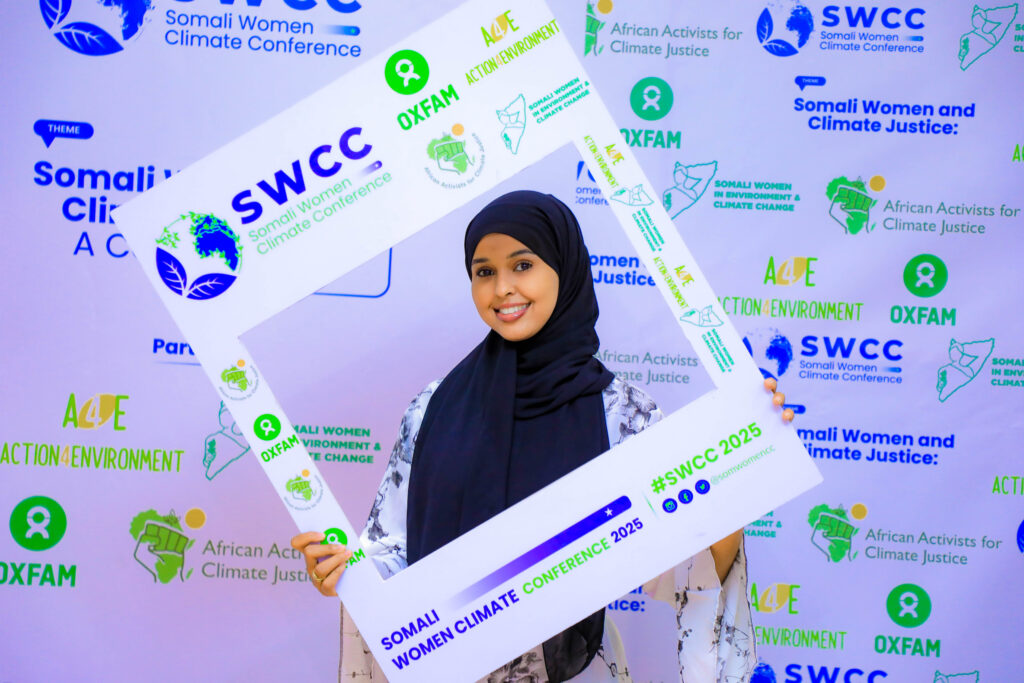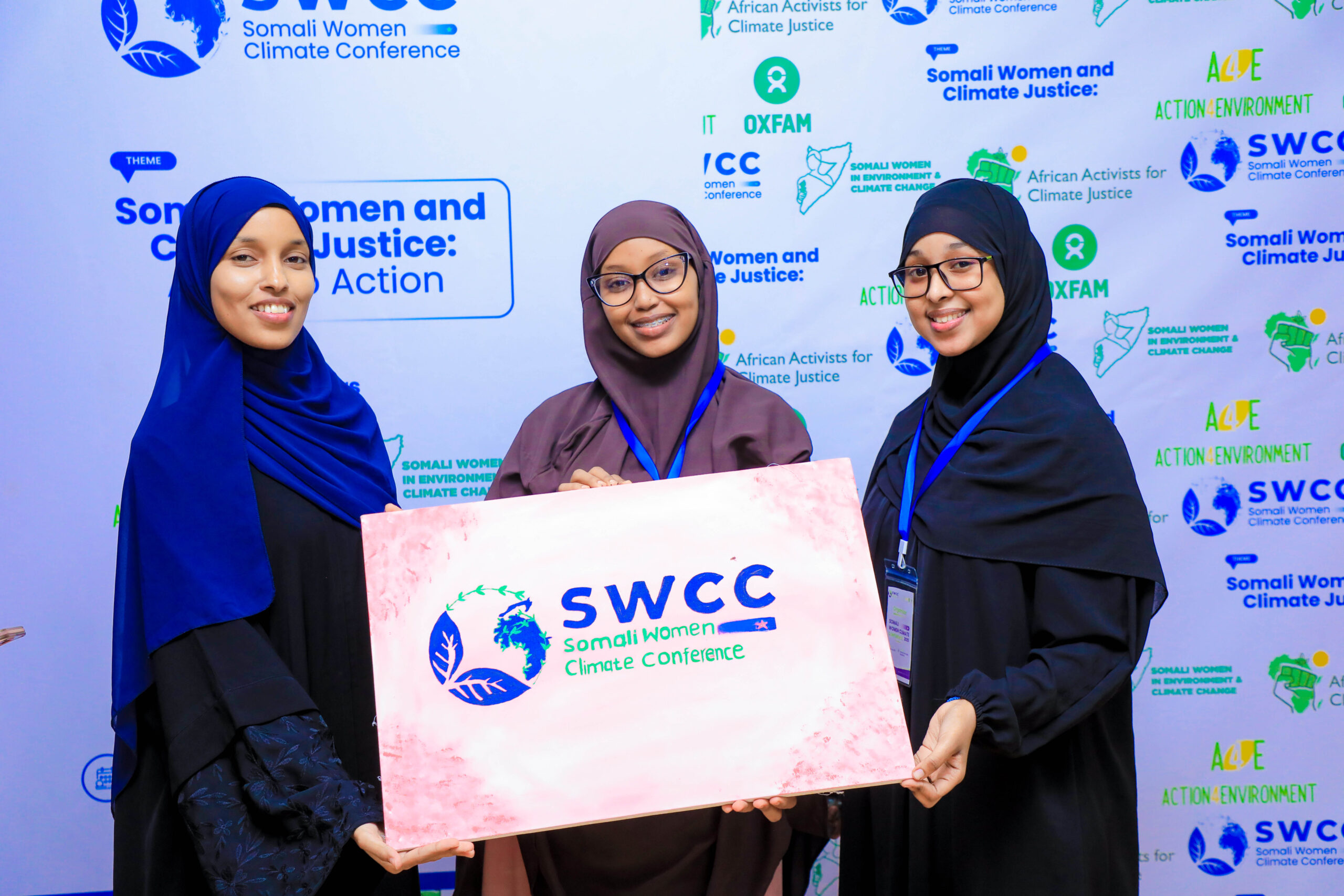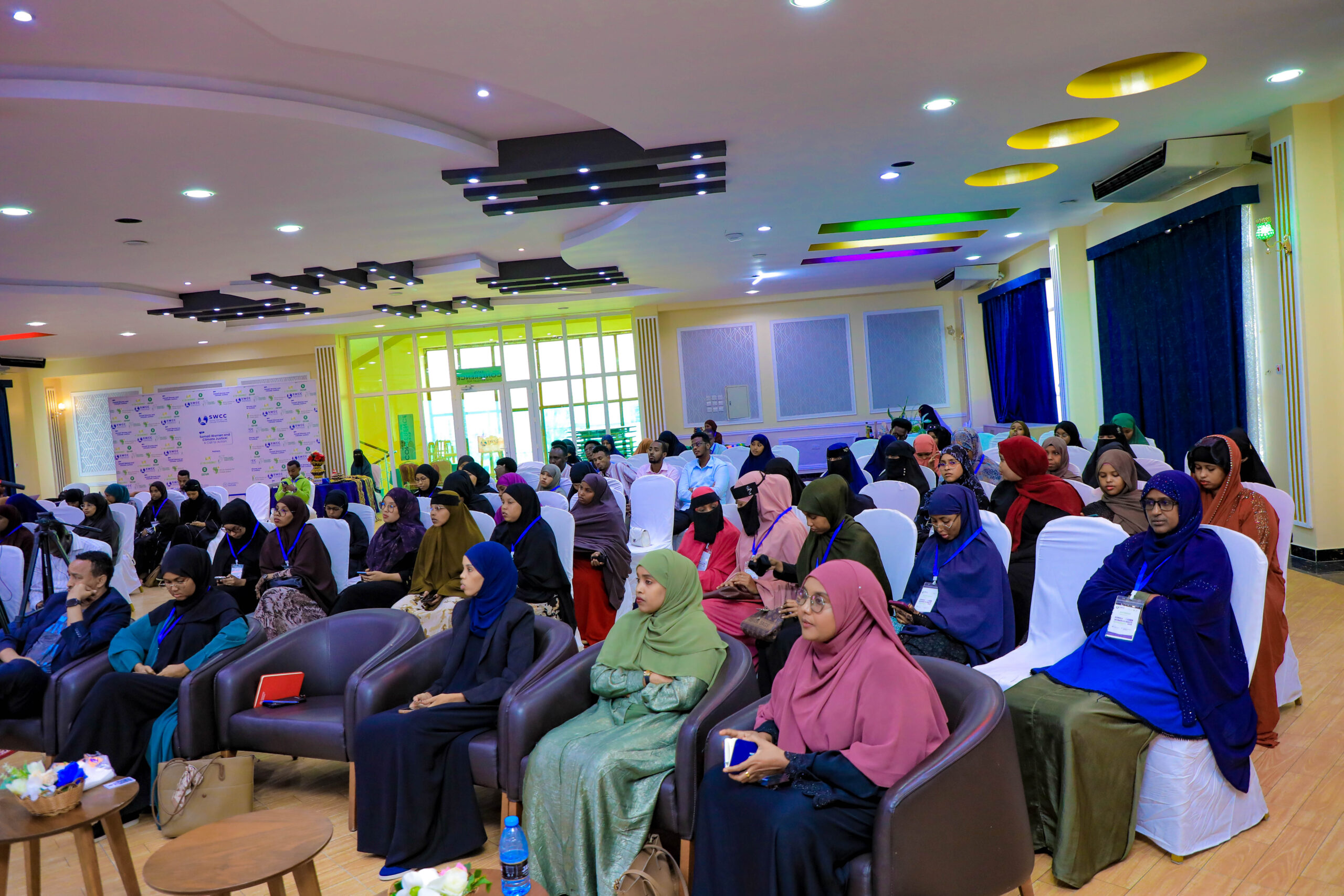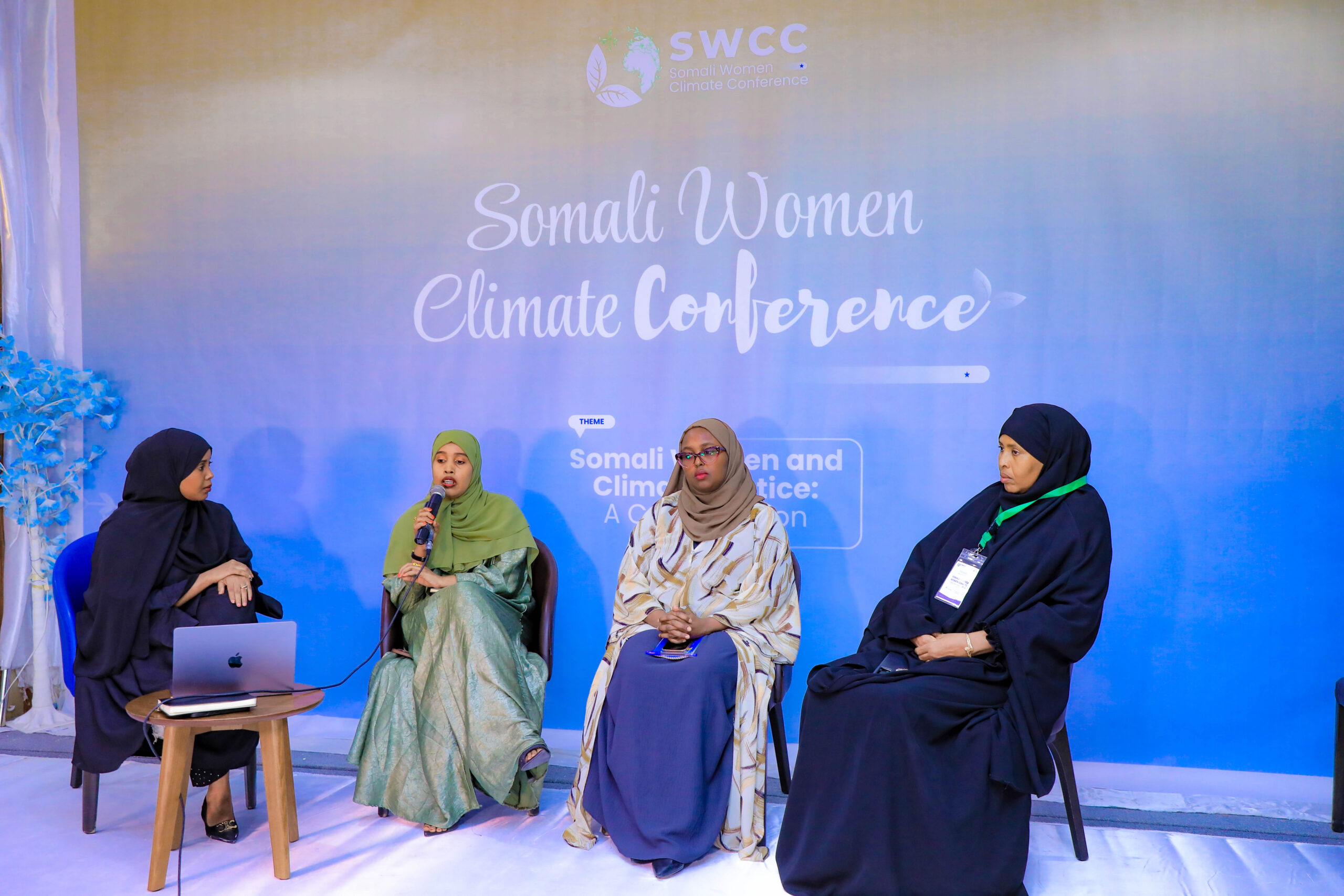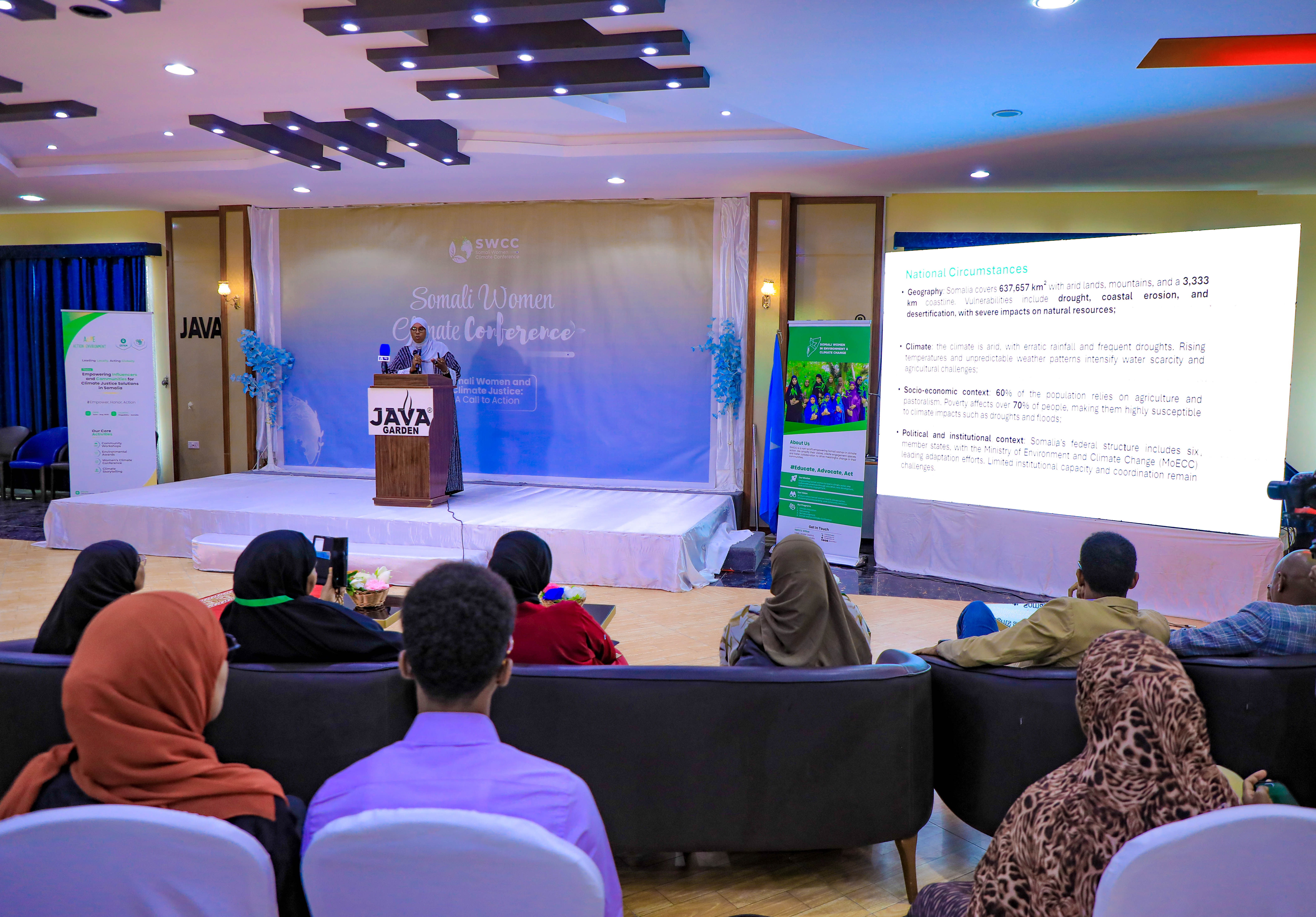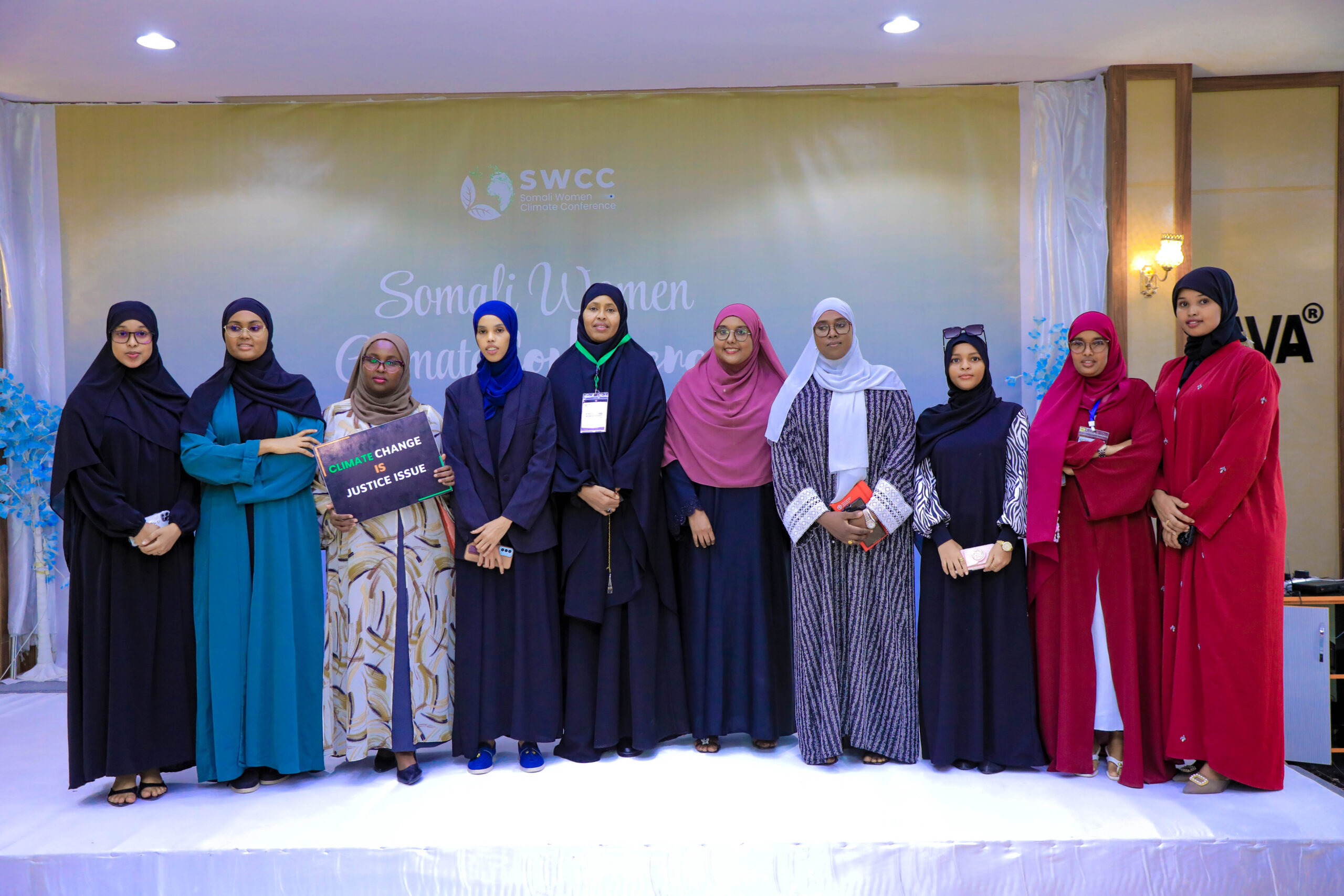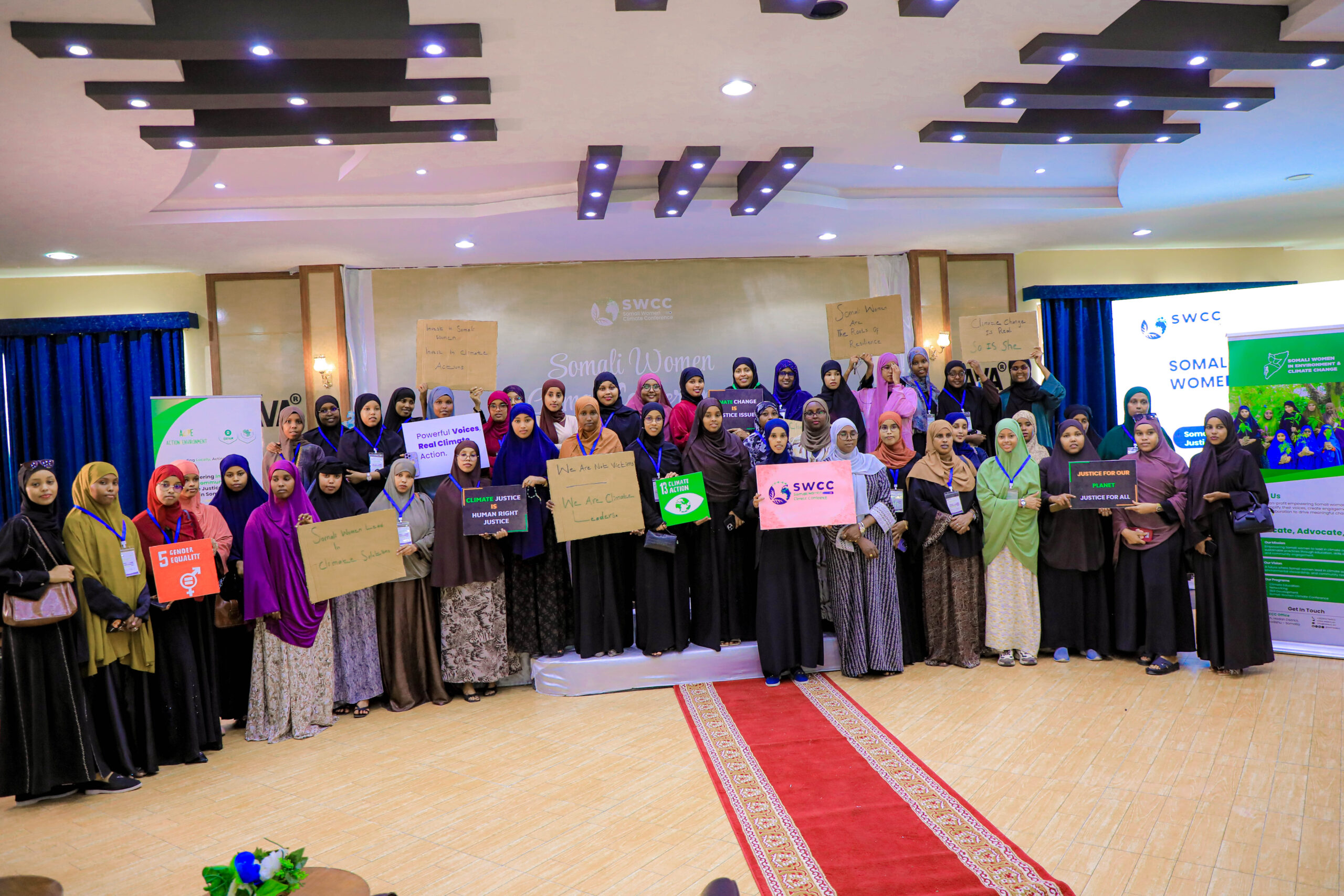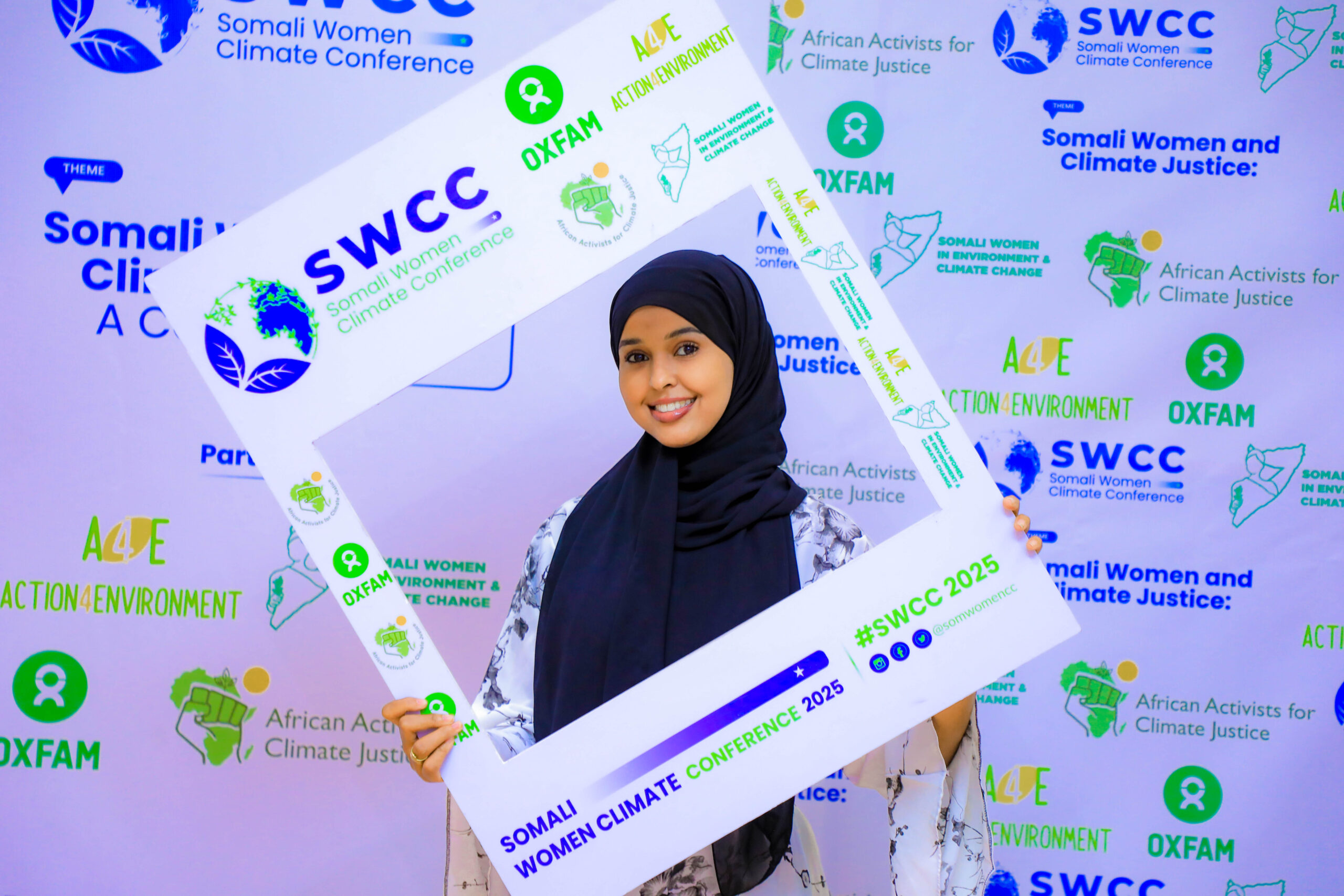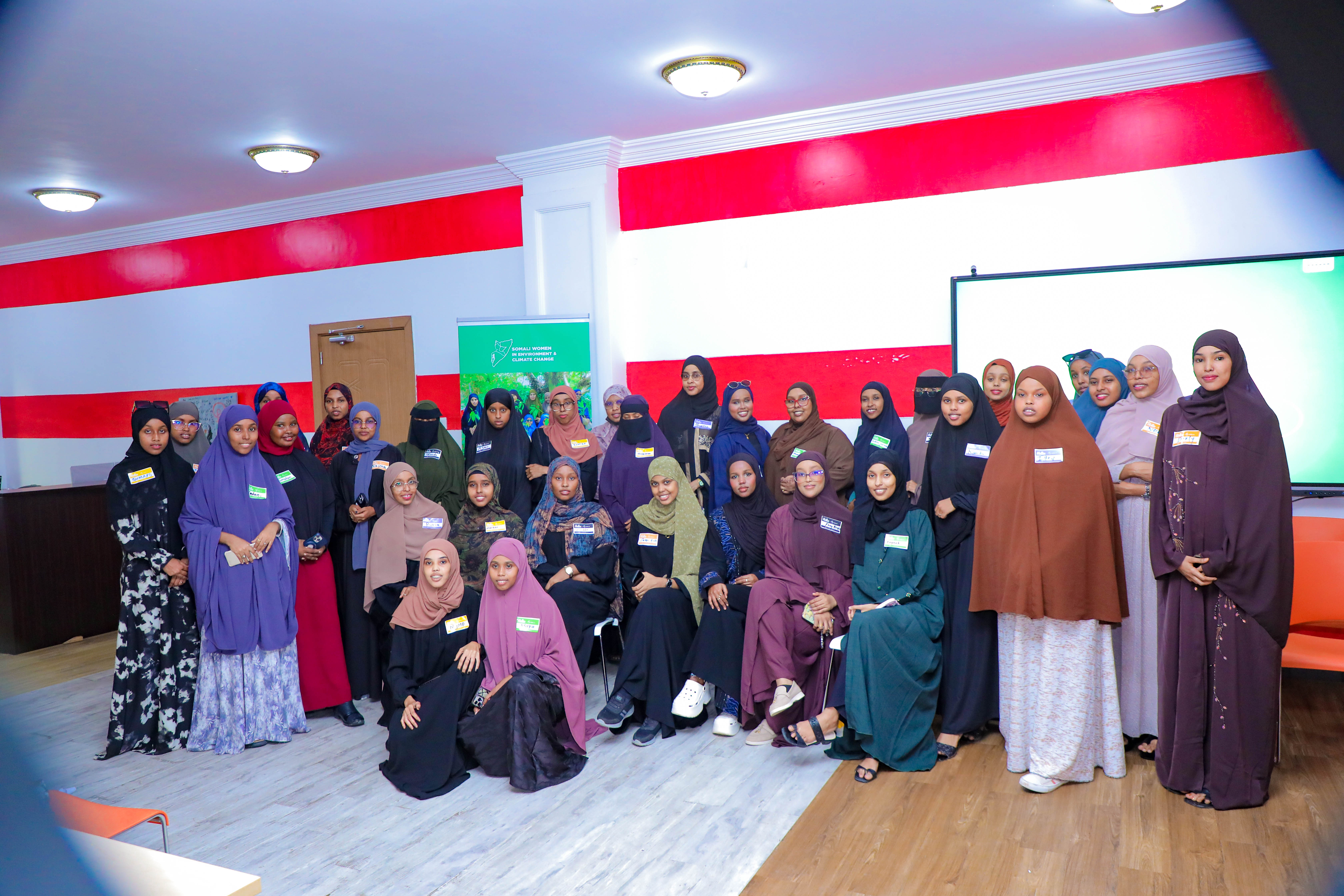
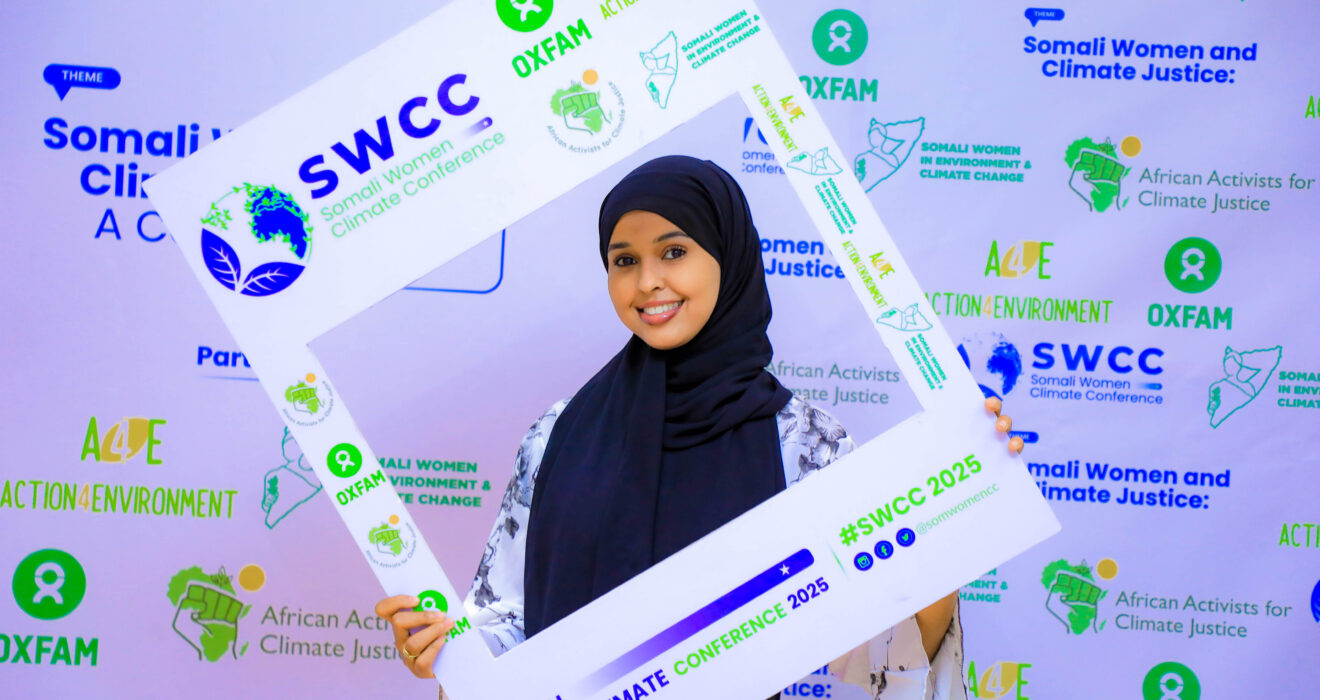
Somali Women in Environment and Climate Change (SWECC) organized Somali Women Climate Conference (SWCC 2025) on 4th August under the theme “Somali Women and Climate Justice: A Call to Action.” With the support of A4E, Oxfam, and AACJ, the event brought together more than 150 participants including women leaders, activists, government officials, and community groups. It created a vital space to discuss how climate change affects Somali women and what can be done to strengthen their voices and leadership in climate action.
The conference was opened by Najmo Khalif, Director of SWECC, who welcomed everyone and spoke about women’s leadership in climate justice. Hafsa Omar Abdillahi Director of climate Change from the Ministry of Environment and Climate Change also officially opened the event on behalf of the government, stressing the need to include women in climate solutions. From partners’ side, Hani Asad, Program Director at A4E, expressed their happiness in supporting the program, while Aisha, Gender Justice and Inclusive Governance Lead at Oxfam, underlined how climate change results in deep injustices for women and called for stronger advocacy.deep injustices for women and called for stronger advocacy.
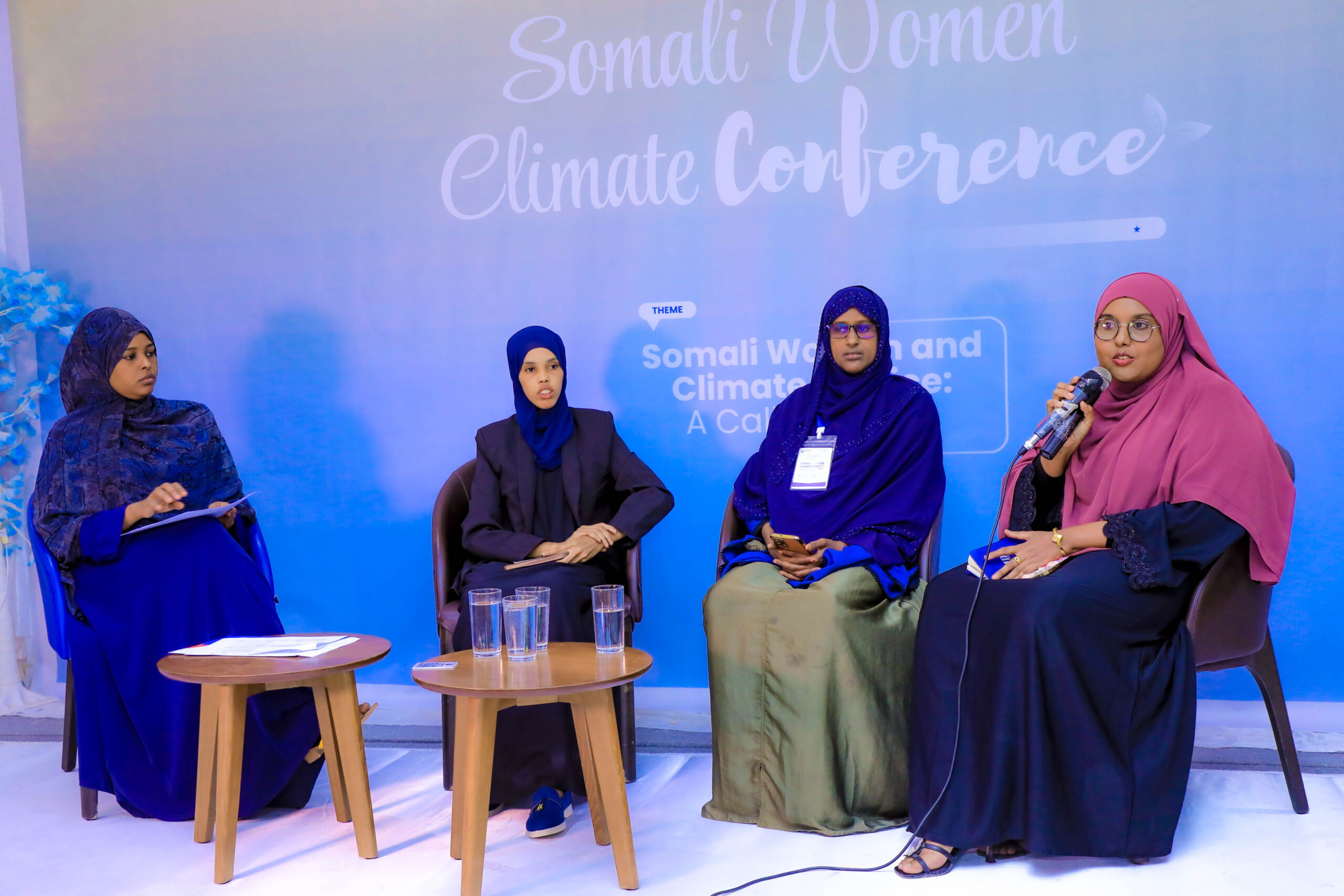
Throughout the day, keynote addresses and panel discussions covered themes such as “Navigating Climate Change: The Impact on Somali Women, Water, Health, and Food Security” and “Empowering Somali Women: Education and Advocacy for Stronger Voices in Decision-Making.” Speakers shed light on challenges like drought, food insecurity, and limited resources, while also sharing inspiring examples of how Somali women are driving solutions through education, advocacy, and sustainable practices. Another key moment was the presentation of Somalia’s National Adaptation Plan (NAP), which outlined strategies to build resilience and placed women at the center of adaptation efforts.
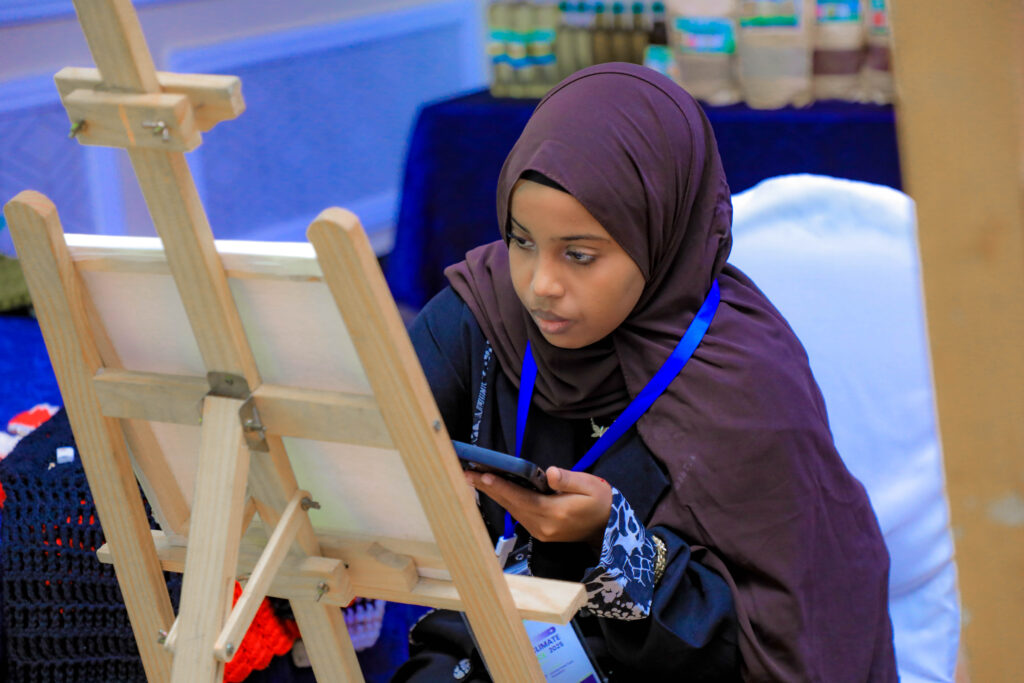
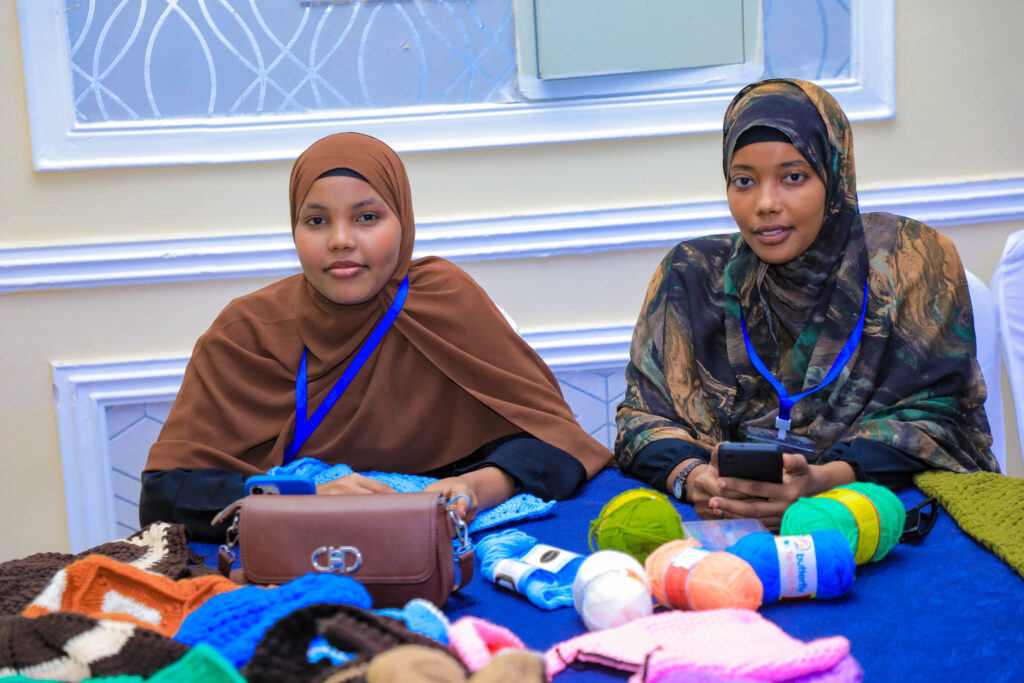
The event also featured exhibitions and cultural performances, where women showcased projects, innovations, and creative ideas contributing to climate solutions. SWCC was officially closed by Fathi Abdiwali Osman, Head of the Women and Climate Change Section at the Ministry of Family and Human Rights Development, who thanked participants and emphasized the importance of continued collaboration. In the end, SWCC was more than just a meeting — it was a call to action. The message was clear: when Somali women are empowered and included in decision-making, communities become stronger, solutions become more inclusive, and the path toward a climate-resilient Somalia becomes not only possible but achievable